Repairing the Mother Line

The Hidden Cost of the Strong Black Woman
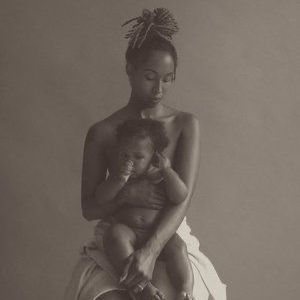
In many African Caribbean families, the idea of the “strong Black woman” runs deep. She is the one who keeps everyone together. She holds the family together, provides for them, survives, and rarely complains. Her strength is admired, often celebrated. Yet behind that strength lies a hidden story—a story of loss, survival, and inherited pain.
Systemically, we understand that family patterns do not disappear; they travel through generations. When fathers were taken away through slavery, migration, or absence, mothers had to become everything. They stepped into both roles—the nurturer and the protector, the soft and the hard. In doing so, something essential was lost: the space for tenderness, for rest, for vulnerability.
Children growing up in these systems often feel the weight of their mother’s exhaustion. Some try to rescue her by becoming her emotional partner, her helper, or her confidant. Others turn away, unable to bear the intensity of her pain. Either way, the natural flow between mother and child becomes disrupted. What should move downwards—from parent to child—starts to move the other way.
This is where hidden loyalties form. We may grow up believing that love means carrying someone else’s pain, or that to be loved we must earn it through doing, fixing, or proving our worth. We might even repeat the same dynamic with our own children, without realising it.
In many of the workshops we’ve held at Repair Replenish Restore, we see how this legacy shows up. Women who cannot rest because their mothers never did. Men who struggle to form relationships because their first bond—with the mother—was full of unspoken hurt. Adult children still trying to win approval from a mother who was too burdened to give it.
When we look systemically, we are not judging or blaming. We are bringing love back into its rightful order. We begin to see the mother not just as our mother, but as someone shaped by her own story—by what history demanded of her. Many mothers in our community carried the grief of their mothers and grandmothers, who in turn carried the grief of enslavement, displacement, and survival. These burdens run deep, often in silence.
So how do we begin to repair what has been broken?
It starts with seeing.
Seeing that our mothers did what they could with what they had.
Seeing the weight they carried, often alone.
And seeing that their strength, while necessary, came at a cost.
In systemic work, we often use a simple sentence:
“Mum, I see how much you carried. And I honour all that you gave.”
This small sentence changes everything. It doesn’t excuse what was difficult, but it brings dignity to what has been endured. It allows love to flow again—from mother to child, from past to future.
For some, this healing can be painful. It means facing feelings of abandonment, anger, or sadness that have been tucked away for years. It may also mean allowing ourselves to soften, to admit that we are tired of being strong all the time. That we, too, long to be held.
Healing the mother wound is also about reclaiming what was lost: our right to receive care, our right to rest, and our right to love freely without fear or burden. For the men in our community, this healing opens the door to new forms of strength—ones that include emotional honesty and connection, not just survival.
Every time someone in the community does this work, the effects ripple outwards. Families begin to shift. Conversations deepen. Children grow up with less confusion and more love. The collective field starts to repair itself, quietly and powerfully.
When we remember that our strength comes from survival, we can start to choose a new kind of strength—the strength to feel, to forgive, to rest, and to receive love.
That is how we replenish.
That is how we repair.
That is how we restore.
With love,


Comments